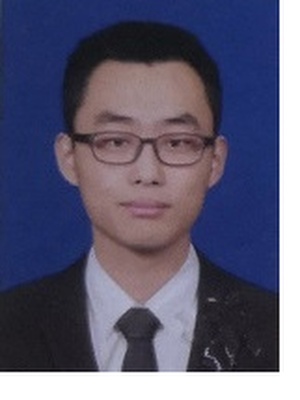
Yihao Wang is a PhD student supervised by Prof. Jingwei Liang and Prof. Xiaoqun Zhang, with research interests in image processing and machine learning.
In the field of medical imaging driven by the Internet of Things (IoT), with the rapid growth of the number of medical devices and the widespread application of edge computing (EC) technology, efficient collaborative computing on resource-constrained end medical devices has become the key to improving diagnostic efficiency, thereby bringing a more patient-friendly diagnosis and treatment experience. Computed tomography perfusion (CTP) images play an irreplaceable role in the assessment of brain tissue ischemia in patients with acute ischemic stroke (AIS), with high diagnostic accuracy in identifying ischemic lesions and distinguishing infarction from penumbra, but it has the disadvantages of high radiation dose and high cost. To this end, we propose a CTP image synthesis framework based on edge-end collaboration (EESyn-CTP), which aims to use non-contrast CT (NCCT), CT angiography (CTA), and delayed CTA (CTA+8s) images to synthesize CTP images with arbitrary time to optimize AIS diagnosis. The framework consists of two stages: the pre-training stage on the edge server and the fine-tuning stage on the end device. Specifically, we first deploy a temporal residual generative network, t-UNet, on the edge server for pre-training. This process utilizes multiple CTP images, which share similar perfusion features with CTA, CTA+8s, and NCCT images, to effectively learn the gap in perfusion information between the inputs and outputs. Subsequently, the pre-trained t-UNet model parameters are frozen and broadcast to the edge medical device. A UNet adapter is introduced before the model, and fine-tuning is performed on the adapter weights using real NCCT, CTA, and CTA+8s images as input. This approach facilitates the synthesis of CTP images at arbitrary time points. Finally, experiments on an internal data set showed that the quality of Syn-CTP images synthesized by the EESyn-CTP framework is comparable to that of real CTP images and significantly reduces computation latency and energy overhead.
@article{wang2025eesyn,title={EESyn-CTP: Edge-End Collaboration for Patient-Friendly CTP Image Synthesis},author={Wang, Yihao and Zhang, Yu and Qiao, Dewen and Guo, Songtao and Liu, Yu and Zhao, Chenhao and Gu, Tao and Ding, Qiaoqiao and Zhang, Xiaoqun and Chen, Xuetao},journal={IEEE Internet of Things Journal},year={2025},publisher={IEEE},}
Journal
A Fully Automated U-Net Based ROIs Localization and Bone Age Assessment Method
Bone age assessment (BAA) is a widely used clinical practice for the biological development of adolescents. The Tanner Whitehouse (TW) method is a traditionally mainstream method that manually extracts multiple regions of interest (ROIs) related to skeletal maturity to infer bone age. In this paper, we propose a deep learning-based method for fully automatic ROIs localization and BAA. The method consists of two parts: a U-net-based backbone, selected for its strong performance in semantic segmentation, which enables precise and efficient localization without the need for complex pre- or post-processing. This method achieves a localization precision of 99.1% on the public RSNA dataset. Second, an InceptionResNetV2 network is utilized for feature extraction from both the ROIs and the whole image, as it effectively captures both local and global features, making it well-suited for bone age prediction. The BAA neural network combines the advantages of both ROIs-based methods (TW3 method) and global feature-based methods (GP method), providing high interpretability and accuracy. Numerical experiments demonstrate that the method achieves a mean absolute error (MAE) of 0.38 years for males and 0.45 years for females on the public RSNA dataset, and 0.41 years for males and 0.44 years for females on an in-house dataset, validating the accuracy of both localization and prediction.
@article{zhao2025boneage,title={A Fully Automated U-Net Based ROIs Localization and Bone Age Assessment Method},author={Zhao, Yuzhong and Wang, Yihao and Yuan, Haolei and Xie, Weiwei and Ding, Qiaoqiao and Zhang, Xiaoqun},journal={Mathematical Biosciences and Engineering},volume={22},number={1},pages={138--151},year={2025},publisher={American Institute of Mathematical Sciences},}